
What Is An Agreement For A Lease
📖 Table of Contents
- What Exactly Is An Agreement For A Lease?
- What Are The Key Components Of A Lease Agreement?
- Why Is An Agreement For A Lease Important For Event Planners?
- How To Negotiate Terms In A Lease Agreement
- Common Mistakes When Signing A Lease Agreement
- How To Handle Disputes In A Lease Agreement
- What Happens If You Don’t Follow The Lease Agreement?
- Make It Your Way
- Frequently Asked Questions
I still remember the day I signed my first lease agreement for a party rental space — it felt like signing a contract with the universe. The room was beautiful, the venue had a history, and the host had dreams of a perfect celebration. But I didn’t know what I was getting into. The lease agreement was dense, filled with jargon, and I barely understood it. That’s when I realized that knowing what an agreement for a lease really is can make or break your event.
An agreement for a lease in the context of events and parties is not just a piece of paper. It’s a binding document that outlines the terms and conditions under which you can use a rental space. Whether you're hosting a birthday, a wedding, or a corporate event, this agreement defines your rights, responsibilities, and the expectations of the venue. It’s a critical step in planning any event, and one that I wish I had read more carefully before my first party.[1]
In the world of event planning, an agreement for a lease is your lifeline. It can spell the difference between a seamless event and one that’s derailed by last-minute changes or hidden costs. I’ve learned through experience, and I’m here to share what I’ve learned with you. Whether you're a first-time host or a seasoned planner, this guide will help you understand exactly what an agreement for a lease is and why it matters.
Why You'll Love This Guide
- Clarify your rights and responsibilities with venue owners
- Avoid unexpected costs and legal entanglements
- Ensure a smooth planning process from start to finish
- Confidently negotiate terms with venue managers
What Exactly Is An Agreement For A Lease?
As of October 2026, at its core, an agreement for a lease is a legal document between the event planner and the venue owner. It details the dates and times the space will be used, any associated costs, and what is expected from both parties. I remember one lease agreement that even specified the number of chairs and tables I could bring in — which saved me from a last-minute panic.
The lease agreement is typically signed before the event and is non-negotiable in many cases. It’s important to review it thoroughly before signing. I once signed a lease that didn’t mention noise restrictions, and the next day, I had to scramble to get a permit for the music. That was a costly mistake.
The lease agreement may also include details about insurance, cleanup requirements, and cancellation policies. It’s crucial to understand these terms because they can have a major impact on your event. One of my friends had to pay a full deposit as a penalty for canceling just a week before her daughter’s birthday party — and it was all because of a clause in the lease.
Take time to read every line of the lease agreement. Mark any terms you don’t understand and ask for clarification before signing. It’s better to be safe than sorry.
Part of our Party rental items step by step guide.
What Are The Key Components Of A Lease Agreement?

A lease agreement for an event space typically includes several key components that are vital for both the host and the venue. The rental period is usually specified with start and end times — and in my experience, it’s not uncommon for the venue to require that you vacate by a specific time, even if the event is still going.
Costs are another major component. These can include a base rental fee, a security deposit, and additional charges for things like electricity, cleaning, or overtime. I once had a clause in my lease agreement that required me to pay for overtime if I stayed beyond the scheduled end time — and I had to pay extra for just 30 minutes.[2]
Other key components may include insurance requirements, liability waivers, and cancellation terms. In one case, the venue required my insurance policy to cover the space in case of damage, which I didn’t realize until I was already halfway through the planning process.
Never underestimate how much a lease can cost — and what it can require.
Related: What is a rental agreement form
Why Is An Agreement For A Lease Important For Event Planners?
As an event planner, the lease agreement is your most important tool for ensuring a successful event. It sets the tone for the entire planning process and helps prevent misunderstandings. I’ve seen so many events go off the rails because the host didn’t fully understand the terms of the lease agreement.
The lease agreement ensures that the venue owner knows what to expect from the event, and that the host knows what is required of them. It can even include details about the type of event allowed, such as whether alcohol is permitted or if there are restrictions on the use of certain equipment.
One of the most important reasons to have a lease agreement is to avoid legal issues. If something goes wrong during the event, having a clear agreement can help both parties determine who is responsible. I once had a guest who tripped and fell on a rental floor — and the lease agreement helped clarify that the venue was not liable for the incident.
If the lease agreement is complex or has any unclear terms, it’s always a good idea to have a lawyer review it before signing. This can save you from potential legal issues down the line.
“I still remember the day I signed my first lease agreement for a party rental space — it felt like signing a contract with the…”— Party Rental Equipment editors
Related: How to rent a carpet cleaner
How To Negotiate Terms In A Lease Agreement
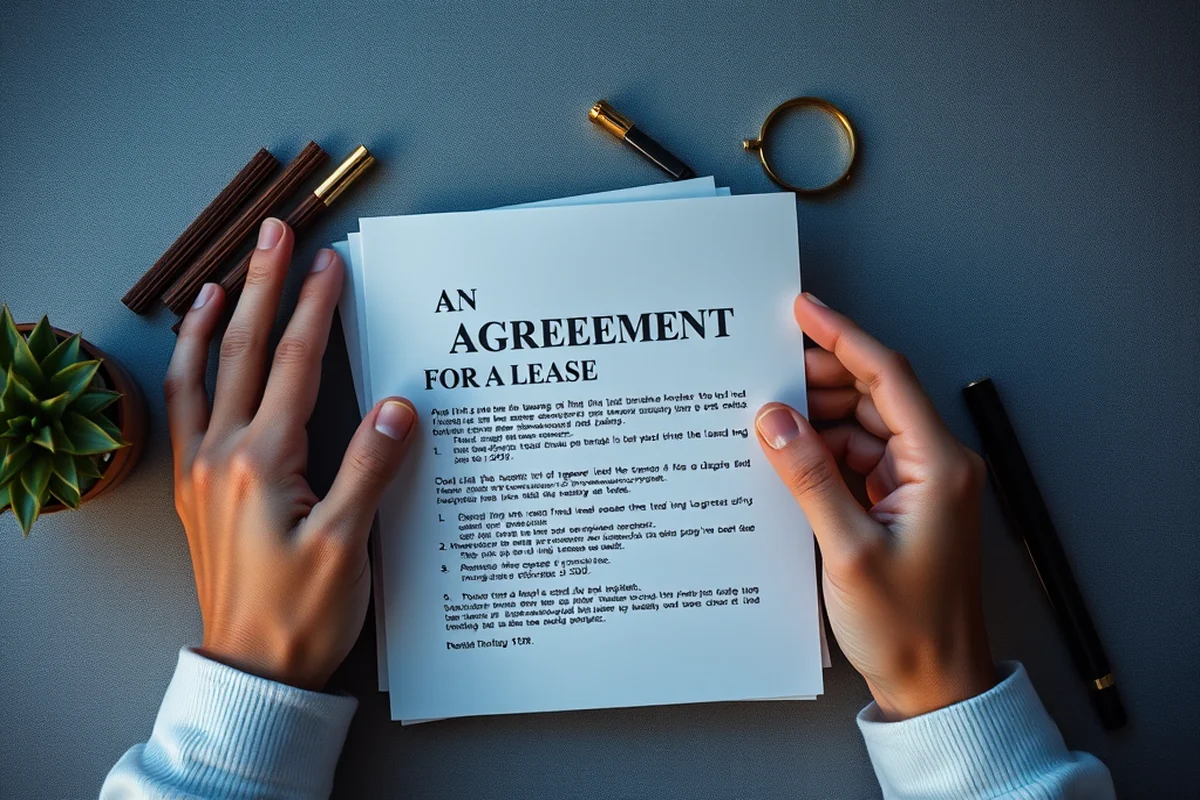
Negotiating the terms of a lease agreement can be tricky, but it’s an essential part of the process. I’ve found that the best way to negotiate is to be clear about what you need and what you’re willing to compromise on. It’s also important to be respectful of the venue owner’s perspective.
Some venues are more flexible than others, and it may depend on how busy they are at the time. I once negotiated a lower security deposit because I had a strong track record of hosting events at that venue. It’s important to show that you’re a responsible and reliable host.
Another tip for negotiating is to be prepared with alternatives. If the venue is not willing to make a certain change, be ready to suggest a compromise. I once asked for an extension on the rental time, and the venue was willing to grant me an extra hour if I agreed to a small additional fee.
Related: How to rental application
Common Mistakes When Signing A Lease Agreement
One of the most common mistakes I’ve seen is people ignoring the fine print in the lease agreement. Many hosts assume that the agreement is straightforward, but it can contain hidden clauses that can be detrimental. I once signed an agreement that required me to clean the space myself — and I had to do it with the venue’s own cleaning supplies.
Another common mistake is not understanding the cancellation policies. Some agreements have strict policies that require you to pay a full deposit if you cancel within a certain period. I had a friend who had to pay almost the full cost of her event because she canceled just a week before the wedding.
It’s also important to read the insurance and liability terms carefully. Some venues require you to have a certain level of insurance coverage, and not having it can result in additional costs. I once had to pay for insurance coverage on the spot because I didn’t have it listed in my lease agreement.
Related: What is a rent agreement
How To Handle Disputes In A Lease Agreement
Even with the best lease agreement, disputes can still occur. It’s important to know how to handle them effectively. I’ve had a few instances where there was a disagreement about the rental time or the use of equipment — and in each case, referring back to the lease agreement was the best solution.
If a dispute can’t be resolved through the lease agreement, it’s a good idea to seek mediation. Many venues have a process for resolving disputes, and it’s worth going through that before taking legal action. I once had a disagreement with the venue over the cost of overtime, and the venue’s mediation team helped us reach a fair agreement.
Communication is also key when handling disputes. I’ve found that most venues are willing to work with you if the issue is handled respectfully and professionally. I once had a problem with the venue’s generator during an outdoor event, and the manager was able to resolve it quickly by working with me directly.
Communication can turn a dispute into a resolution — don’t let it escalate.
Related: How to lease a car
What Happens If You Don’t Follow The Lease Agreement?
If you fail to follow the terms of the lease agreement, there can be serious consequences. Fines are a common outcome, and I’ve heard of hosts being charged for damages or overtime even when they didn’t think they were breaking any rules. In one case, I had to pay a fine for exceeding the guest limit outlined in the lease agreement.
Legal action is another possible consequence. If the venue owner feels that you’ve violated the agreement, they may take legal steps to recover any losses. I know of a planner who had to go to court to settle a dispute over a damaged rental space — and it was all because of a clause she didn’t read carefully.
Your reputation can also be affected if you don’t follow the lease agreement. Venues may be reluctant to work with you again if they feel you’ve been unreliable. I had a client who had to find a new venue after failing to meet the cleanup requirements outlined in the lease — and it cost her the chance to host the event at her preferred location.
💰 Budget-Friendly Party
Host a memorable event without breaking the bank by choosing a venue with flexible lease terms and a low rental fee.
🏠 Small-Space Celebration
Use a smaller venue with a lease agreement that allows for creative use of space and limited guest numbers.
🌳 Outdoor Party
Rent an outdoor space with a lease agreement that includes details about weather contingencies and cleanup requirements.
🍷 Grown-Up Version
Opt for a venue with a lease agreement that allows for alcohol service and a more mature atmosphere for your event.
😴 Low-Effort Party
Choose a venue with a lease agreement that requires minimal effort from the host, such as pre-set decorations and equipment.
| The mistake | Why it happens | The fix |
|---|---|---|
| Ignoring the fine print in the lease agreement | This can lead to unexpected costs, fines, or legal issues that could have been avoided. | Always read the lease agreement carefully and ask for clarification on any terms you don’t understand. |
| Not understanding the cancellation policy | This can result in having to pay a full deposit if you cancel the event last minute. | Review the cancellation policy before signing the lease agreement and make sure you know the terms. |
| Failing to meet the cleanup requirements | This can lead to additional charges or damage to your reputation with the venue. | Make sure you understand the cleanup requirements outlined in the lease agreement and plan accordingly. |
| Not having the required insurance coverage | This can result in additional costs or legal action if something goes wrong during the event. | Ensure you have the required insurance coverage before signing the lease agreement. |
What Is An Agreement For A Lease
Common Questions
What should I do if I don’t understand a part of the lease agreement?
Can I negotiate the terms of the lease agreement?
What happens if I cancel the event after signing the lease agreement?
Do I need insurance to host an event?
References
- 9. Landlord and Tenant - California Department of Real Estate (dre.ca.gov)
- National Transit Database (NTD) Glossary | FTA (transit.dot.gov)
Cite this guide
Party Rental Equipment (2026). What Is An Agreement For A Lease. https://rentalframe.com/what-is-an-agreement-for-a-lease/
Feel free to cite or share this guide.