
Vehicle Purchase Agreement
📖 Table of Contents
- What is a Vehicle Purchase Agreement and Why Does It Matter?
- What Should Be in a Vehicle Purchase Agreement?
- How to Negotiate a Vehicle Purchase Agreement
- The Role of Insurance in Vehicle Purchase Agreements
- What Happens if the Vehicle is Damaged or Delays the Event?
- How to Handle Disputes in a Vehicle Purchase Agreement
- What to Do If You’re the Seller or Lessor
- Make It Your Way
- Frequently Asked Questions
I still remember the first time I signed a vehicle purchase agreement for a party rental. It was for a vintage limousine to transport guests to a black-tie wedding in the mountains. I had no idea how crucial that document was until the owner failed to show up and the rental company had no recourse. Since that day, I’ve learned that a well-drafted vehicle purchase agreement isn’t just a formality—it’s the backbone of any rental transaction. Whether you’re leasing a stretch Hummer for a prom or a vintage Ford for a car show, the right agreement can make the difference between a smooth event and a nightmare.[4]
I’ve spent years working with rental companies, event planners, and transport providers, and one thing remains clear: a vehicle purchase agreement is the single most important contract to get right. It outlines the terms, conditions, and expectations between the buyer and the seller or lessor. That’s not just legal jargon—it’s a roadmap that prevents misunderstandings, ensures everyone knows their responsibilities, and sets the stage for a successful event.
In the world of events and parties, a vehicle purchase agreement isn’t just about buying a car. It’s about managing risk, defining responsibilities, and ensuring that the vehicle arrives on time and in perfect condition. I’ve seen it all—rusted-out rental cars, missing parts, and vendors who vanish without a trace. But I’ve also seen the power of a well-crafted agreement to protect both parties and deliver a flawless experience. That’s why I’m writing this guide: to give you the tools you need to make sure your next event never misses a beat.
Why You'll Love This Vehicle Purchase Agreement Guide
- Protect yourself and your event with a legally sound agreement.
- Avoid costly misunderstandings by defining terms upfront.
- Ensure the vehicle arrives on time, in good condition, and ready to go.
- Build trust with vendors by being clear and professional.
What is a Vehicle Purchase Agreement and Why Does It Matter?
As of September 2026, a vehicle purchase agreement may sound like something reserved for car dealerships, but in the world of events and parties, it’s just as important. Whether you’re hiring a vintage car for a wedding, a van for a festival, or a luxury stretch limo for a gala, this agreement sets the foundation for a successful transaction.
I once worked with a planner who rented a classic Rolls-Royce without an agreement, only to find out the car had a broken air conditioning system and no spare parts. The vendor had no liability and the event was ruined. That’s why the agreement must include details like maintenance responsibilities, return conditions, and what happens if the vehicle is damaged or delayed.
A well-written agreement not only protects the buyer but also the seller or lessor. It ensures both parties understand what’s expected, reducing the risk of disputes and ensuring a smooth, stress-free experience at the event.
Make sure the agreement includes a clear process for inspecting the vehicle before and after the event, and specify what happens if damage is found. This prevents surprises and keeps the event on track.
Part of our Used party rental equipment for sale problems guide.
What Should Be in a Vehicle Purchase Agreement?

When I first started drafting agreements, I didn’t realize how detailed they needed to be. A vehicle purchase agreement should cover everything from the cost of the vehicle to the terms of return. It should also outline who is responsible for insurance, maintenance, and any potential damages.
One of the most common mistakes I see is skipping the insurance clause. If the vehicle gets damaged, and the agreement doesn’t specify who is liable, it can lead to a costly legal battle. Including insurance details ensures both parties are protected, and it’s often a requirement from the rental company.
I once signed an agreement that didn’t specify the return condition, and when the car returned with a broken window, the rental company had no recourse. The agreement should make it clear what condition the vehicle needs to be in when returned, and who is responsible for any repairs.
Details matter—more than you know.
Related: Used gym equipment on sale
How to Negotiate a Vehicle Purchase Agreement
Negotiating a vehicle purchase agreement can be tricky, especially if you’re not familiar with the legal jargon. The key is to be clear and direct. I’ve found that the best agreements come from open communication and a willingness to understand both sides of the deal.
I once negotiated an agreement with a vintage car dealer who wanted to include a clause that allowed them to charge extra for late returns. I pushed back and suggested a fixed rate instead, which led to a more transparent and fair agreement. Negotiation is about finding common ground, not just getting your way.
Always read the fine print and don’t be afraid to ask questions. A good agreement should make both parties feel confident and secure, not like they’re being taken advantage of.
If the agreement includes hourly rates, it can lead to unexpected costs if the event runs long. Request a fixed rate that covers the entire event, and make sure it’s clearly stated.
“I still remember the first time I signed a vehicle purchase agreement for a party rental.”— Party Rental Equipment editors
Related: Hobby lobby sales
The Role of Insurance in Vehicle Purchase Agreements
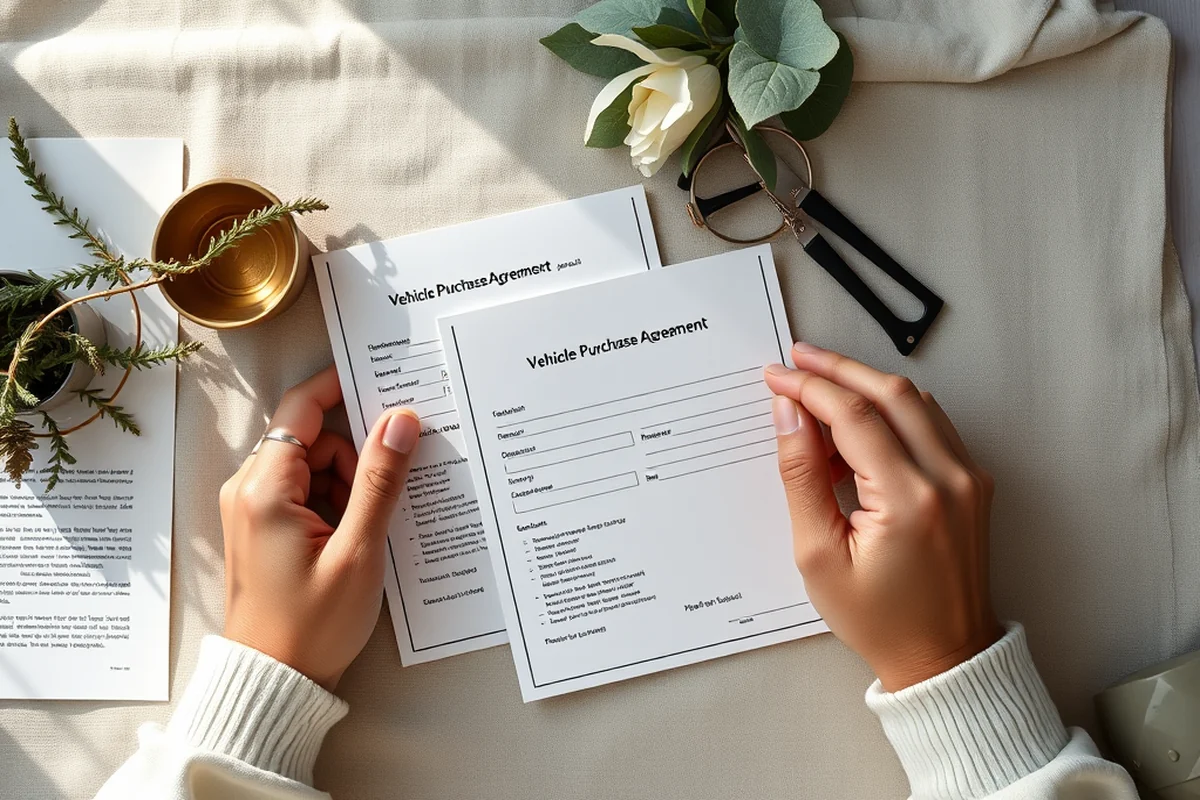
Insurance is one of the most overlooked aspects of a vehicle purchase agreement. When I first started working with rental companies, I didn’t realize how often insurance was the difference between a successful event and a disaster.
I once had a client who rented a vintage Rolls-Royce without insurance and the car was stolen. The rental company had no coverage, and my client was left with a $50,000 loss. That’s why I always make sure insurance is included in the agreement, whether it’s from the rental company or the buyer.[1]
Insurance details should be clear: who provides it, what it covers, and what happens if the vehicle is damaged or stolen. That way, both parties know exactly what they’re responsible for.
Related: Event rental equipment for sale guide
What Happens if the Vehicle is Damaged or Delays the Event?
One of the most important parts of a vehicle purchase agreement is the clause about damage or delays. If the vehicle is damaged or doesn’t arrive on time, the agreement should outline what happens next.
I once worked with a rental company that had a clause stating the buyer would be charged a 25% fee if the vehicle was damaged. The agreement didn’t specify what happened if the car was late. That led to a dispute when the car arrived two hours late and the event had to be rescheduled.[2]
Make sure the agreement includes penalties for damage and delays. This keeps both parties accountable and prevents last-minute surprises that can ruin an event.
Related: Wholesale party rental equipment for sale tips
How to Handle Disputes in a Vehicle Purchase Agreement
Disputes can happen even with the best agreements. That’s why it’s important to include a dispute resolution clause. I’ve seen cases where a rental company refused to refund a deposit because the buyer didn’t return the vehicle on time, but the agreement didn’t specify how disputes would be handled.
Including a clear dispute resolution process—like mediation or arbitration—can prevent legal battles and save time and money. It gives both parties a fair way to resolve conflicts without going to court.
I once had a disagreement with a vendor over a damaged vehicle, but the agreement had a mediation clause that allowed us to resolve it quickly and professionally. That’s the power of a well-written agreement.
Disputes are inevitable, but resolution is optional.
Related: Party rental equipment nj at home
What to Do If You’re the Seller or Lessor
If you’re the one selling or leasing the vehicle, the agreement is just as important for you as it is for the buyer. I once had a client who rented out a vintage car and didn’t include a clause about maintenance, only to find out the car needed a full tune-up after the event.
As the seller or lessor, you should be clear about what’s included in the rental or sale. That means specifying any maintenance responsibilities, insurance requirements, and return conditions. This protects your interests and ensures the vehicle is returned in good condition.
I always recommend including a maintenance clause in the agreement, outlining who is responsible for any upkeep or repairs. That way, you’re not left with unexpected costs if the vehicle is damaged or requires maintenance.[3]
💰 Budget-Friendly Rental
Opt for a basic model with minimal extras, ensuring you stay within your budget without sacrificing quality.
🚗 Small-Space Rental
Choose a compact vehicle that fits easily into tight spaces, perfect for city events or small venues.
🌳 Outdoor Event Rental
Select a rugged, all-terrain vehicle that can handle off-road conditions and rough environments.
🎩 Grown-Up Version
Go for a classic, elegant vehicle that adds sophistication and charm to your event.
💤 Low-Effort Rental
Choose a vehicle that requires minimal setup and maintenance, allowing you to focus on your event.
| The mistake | Why it happens | The fix |
|---|---|---|
| Skipping the insurance clause | Without insurance, both parties are left vulnerable in case of damage or theft, and the event can be jeopardized. | Always include a clear insurance clause in the agreement, specifying who is responsible for it. |
| Neglecting to specify return conditions | Not having clear return conditions can lead to disputes and unexpected costs if the vehicle is returned in poor condition. | Include a detailed return policy in the agreement, outlining the condition the vehicle should be in and who is responsible for any repairs. |
| Not negotiating the terms upfront | Failing to negotiate key terms like cost, insurance, and maintenance can lead to misunderstandings and financial strain. | Always negotiate and clarify all terms before signing the agreement to avoid disputes down the line. |
| Omitting a dispute resolution clause | Without a resolution clause, any conflicts between the buyer and seller can become complicated and time-consuming. | Include a clear dispute resolution process in the agreement to ensure conflicts can be resolved efficiently. |
Vehicle Purchase Agreement
Common Questions
What happens if the vehicle is damaged during the rental?
Can I negotiate the terms of the agreement?
What should I do if the vehicle doesn’t arrive on time?
Is insurance required in the agreement?
References
- Vehicle Purchasing Policy - Help & Training (abo.caes.uga.edu)
- asset purchase agreement - Chelmsford, MA (chelmsfordma.gov)
- Vehicle Purchase Form For End User: • At Dashboard (coastal.edu)
- Buy, Sell, or Transfer Vehicle Ownership | NY DMV (dmv.ny.gov)
Cite this guide
Party Rental Equipment (2026). Vehicle Purchase Agreement. https://rentalframe.com/vehicle-purchase-agreement/
Feel free to cite or share this guide.