
Home Music Recording Equipment
📖 Table of Contents
I remember the first time I set up a home music recording setup in my small apartment — the smell of the new gear, the hum of the microphone, the way the sound filled the room like a warm embrace. For anyone who's ever dreamed of recording music at home, the right home music recording equipment can turn a modest space into a creative haven. It's not just about the gear itself, but how it makes you feel: capable, inspired, and connected to your art.[1]
Back then, I was overwhelmed by the sheer variety of home music recording equipment on the market. From entry-level interfaces to high-end studio-grade microphones, the options were endless — and intimidating. But with the right approach, building a home recording setup is more achievable than it seems. It's about knowing what you need, not just what you want, and making choices that align with your goals, whether you're a musician, a podcaster, or an aspiring producer.
Now, after years of experimenting with different home music recording equipment and setups, I've learned that the key to success lies in balance. It's not about buying the most expensive gear, but about finding the right combination of tools that work for your space, your budget, and your creative process. Whether you're recording a song, producing a podcast, or capturing live performances, the right home music recording equipment can improve your work to a whole new level.[2]
Why You'll Love This Home Music Recording Setup
- Affordable solutions for beginners and professionals alike
- Easy-to-set-up equipment with high-quality sound
- Flexible setups that adapt to your space and needs
- Increased creative control and inspiration
Choosing the Right Interface
As of September 2026, when I first started, I tried using a USB microphone and a standard computer, but the sound quality was poor and the latency was frustrating. I learned quickly that a good audio interface is essential for capturing clear, professional-quality sound. Interfaces like the Focusrite Scarlett 2i2 or the PreSonus AudioBox offer excellent performance at an affordable price, with features like low-latency monitoring and phantom power for condenser microphones.
The key is to choose an interface that matches your needs. If you're a beginner, a simple 2-input interface might be enough, but if you're planning to record multiple instruments or tracks, you'll need one with more inputs and outputs. I found that the Scarlett 2i2 was perfect for my setup — it was compact, easy to use, and delivered a sound that made me feel like I was in a real studio.
Investing in a good interface not only improves the sound quality but also makes the recording process smoother and more enjoyable. It's the first step in building a home music recording setup that works for you.
When selecting your interface, look for brands like Focusrite, PreSonus, or Native Instruments. These brands offer a range of interfaces with varying inputs and features. Consider whether you need a USB or FireWire interface, and always check for latency and compatibility with your DAW.
Part of our Top home party equipment rental guide.
Microphones: The Heart of Your Setup
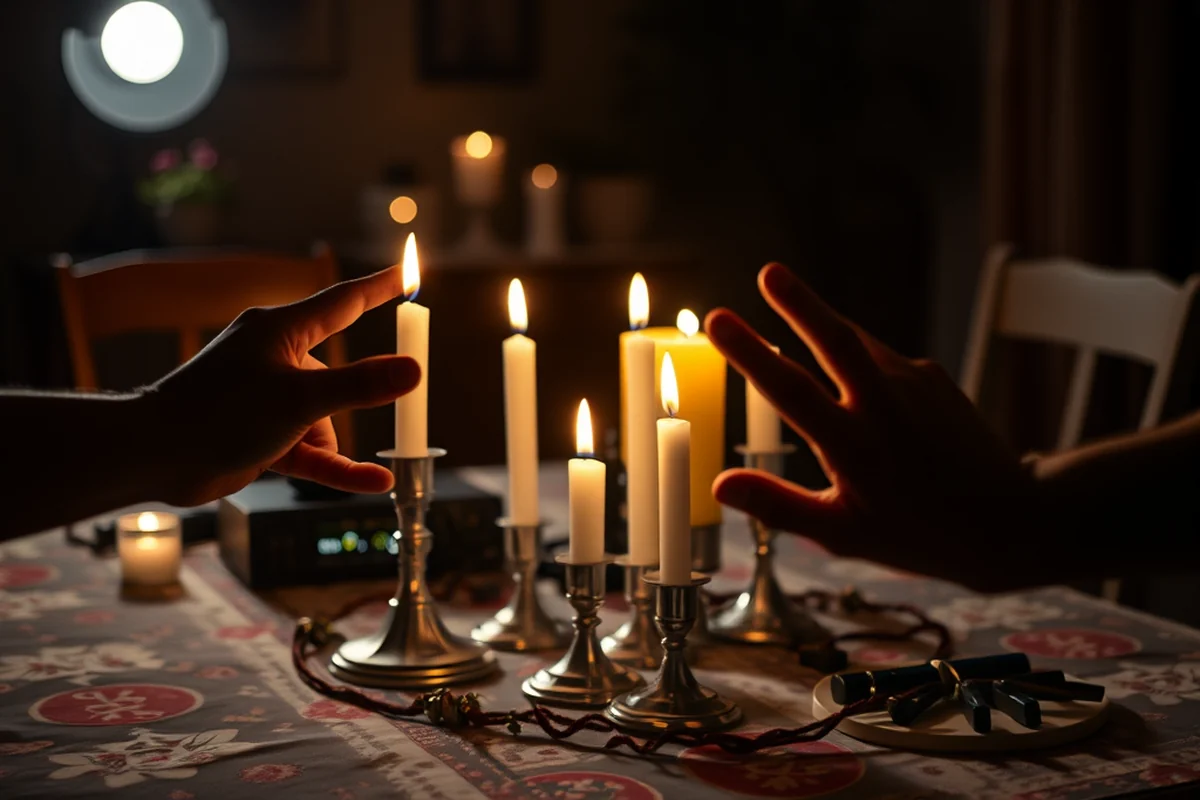
Microphones are the eyes and ears of your home music recording equipment — they're what capture the sound, so their quality can make or break your recordings. I've used everything from budget condensers to high-end dynamic mics, and I've learned that the right choice depends on your application. For vocal recordings, a condenser microphone like the Rode NT1-A or the Audio-Technica AT2020 delivers excellent clarity and detail.
If you're recording instruments, a dynamic microphone like the Shure SM57 or the Sennheiser e604 is a solid choice. I remember when I used the SM57 to record a guitar solo — the punchy, warm sound it captured was nothing short of amazing. It made the track feel like it was recorded in a professional studio.
Don't underestimate the importance of a good microphone. It can transform your home music recording setup from a basic rig into a powerful tool for creating high-quality music.
A great microphone can elevate your recordings from good to unforgettable.
Related: How is turo car rental
Related: Vrbo vacation rentals
Related: Home Recording Studio Equipment
Monitoring and Headphones
When I was recording my first EP, I used a pair of cheap studio monitors and found that the sound wasn't translating well to other systems. It was only after I invested in a good pair of monitoring headphones and speakers that I realized how much I was missing. Monitoring headphones like the Sony MDR-7506 or the Audio-Technica ATH-M50x are great for critical listening and tracking.[3]
Studio monitors are equally important — they let you hear your mixes as they are, without coloration. I use the Yamaha HS80M for monitoring, and they've completely changed the way I mix. I can hear every detail, from the low-end rumble to the high-end sparkle, which helps me make better decisions during the mixing process.
Investing in good monitoring equipment ensures that your home music recording setup delivers accurate, professional results. It's a crucial part of any serious home studio.
When choosing monitoring headphones, look for models with flat frequency response and good isolation. These headphones help you hear the true sound of your recordings, which is crucial for making accurate mixing and editing decisions.
“I remember the first time I set up a home music recording setup in my small apartment — the smell of the new gear, the…”— Party Rental Equipment editors
Related: Affordable party equipment rental company
The Role of Software in Your Setup
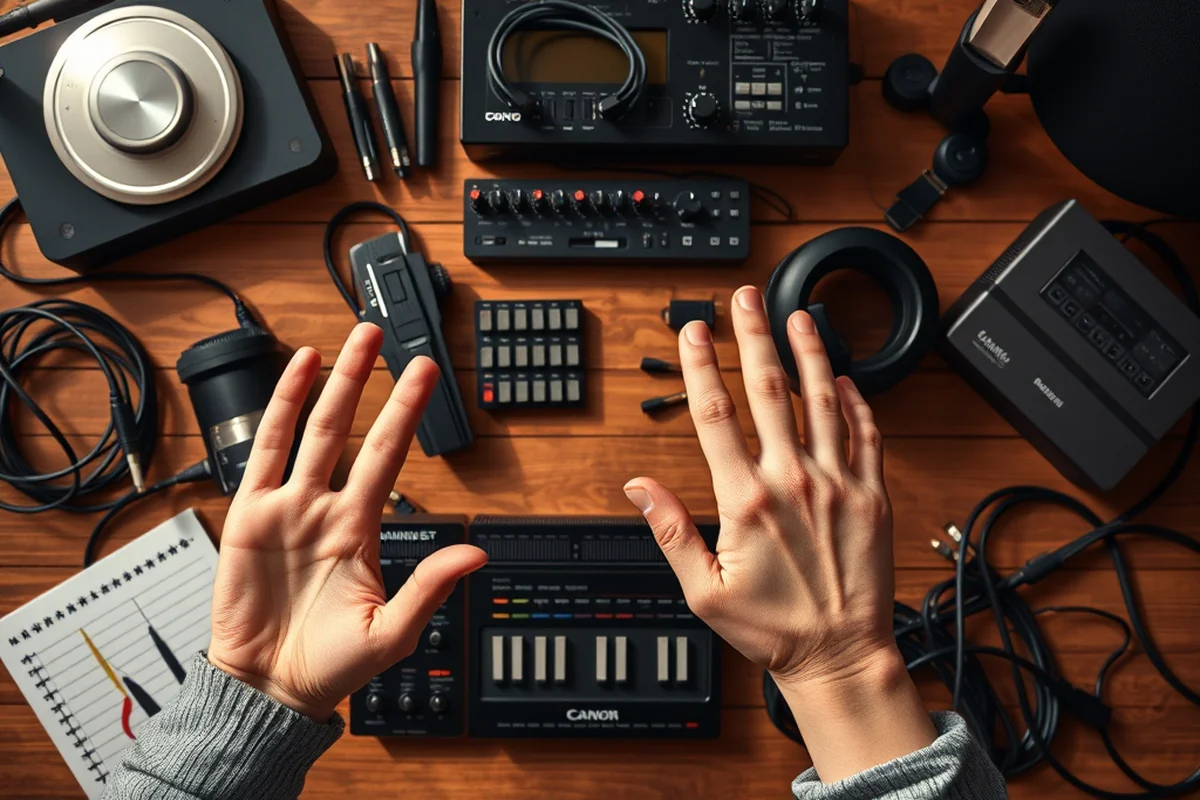
Software is the brain of your home music recording equipment — it's where you record, edit, and produce your music. I've used several DAWs over the years, and I've found that Ableton Live and Logic Pro X are excellent choices for both beginners and professionals. They offer a wide range of features, from virtual instruments to advanced mixing tools, all in one place.
Plugins like Waves, iZotope, and FabFilter can significantly enhance the sound of your recordings, allowing you to add reverb, compression, and other effects with precision. I remember using the Waves SSL Channel Strip plugin on a vocal track — the result was a clean, professional sound that made the track stand out.
Don't underestimate the power of software in your home music recording setup. It can make the difference between a good recording and a great one.
Related: Party rental equipment to buy problems
Setting Up Your Home Studio
I learned the hard way that a chaotic home studio can be a disaster for productivity and focus. My first setup was in a corner of my apartment — cluttered with cables and gear, and the acoustics were terrible. It was only after I invested in acoustic treatment and organized my space that I could really focus on creating music.
Acoustic panels, bass traps, and foam panels can help control the sound in your room, reducing unwanted reflections and echoes. I used a combination of foam panels and a rug to improve the acoustics in my space — the difference was immediate. The sound was clearer, and I could hear every nuance of my recordings.
A well-organized and acoustically treated space not only makes your home music recording setup more efficient but also enhances the quality of your recordings. It's an investment that pays off in the long run.
Related: Party rental equipment to buy
The Importance of Cables and Accessories
I once spent hours trying to troubleshoot a problem with my home music recording setup, only to find out that it was a faulty cable. It was a painful lesson in the importance of quality cables and accessories. Using high-quality cables like those from Mogami or Hosa ensures that your signal stays strong and clear from your interface to your speakers.
Accessories like microphone stands, pop filters, and cable management systems can also make a big difference. I use a pop filter with my condenser microphone to reduce plosives and a shock mount to keep the mic stable. These small details can improve the overall quality of your recordings.
Don't underestimate the importance of cables and accessories in your home music recording setup. They are the unsung heroes that make your gear work together seamlessly.
A great cable can save you hours of frustration and troubleshooting.
Maintenance and Upgrades
After a few years of using my home music recording setup, I realized that regular maintenance is essential for keeping everything running smoothly. I clean my microphones with a soft brush, check my cables for wear and tear, and update my software regularly. These small steps have helped me avoid breakdowns and keep my gear performing at its best.
Upgrades can also enhance your setup over time. Whether it's adding a new microphone, upgrading your interface, or investing in better monitoring equipment, each upgrade can take your home music recording setup to the next level. I recently upgraded to a higher-end interface, and the difference in sound quality was noticeable — it made my recordings sound more professional.
Maintenance and upgrades are an ongoing process, but they're crucial for keeping your home music recording setup performing at its best. It's an investment in your craft and your future.
💰 Budget-Friendly Setup
A cost-effective home music recording setup using affordable equipment without sacrificing quality.
🏠 Small-Space Setup
A compact home music recording setup designed for apartments or small rooms with limited space.
🌳 Outdoor Setup
A portable home music recording setup that allows for recording in different locations and environments.
💼 Grown-Up Version
A professional-grade home music recording setup for serious musicians and producers who want the best of the best.
😴 Low-Effort Setup
A minimal home music recording setup that's easy to use and requires little maintenance or setup time.
| The mistake | Why it happens | The fix |
|---|---|---|
| Ignoring room acoustics | Poor room acoustics can lead to distorted and inaccurate recordings, making it difficult to mix and produce quality music. | Invest in acoustic treatment like panels, bass traps, and rugs to improve the sound in your space. |
| Using low-quality cables | Faulty or low-quality cables can introduce noise, signal loss, and other issues that degrade the sound quality of your recordings. | Invest in high-quality cables from reputable brands like Mogami or Hosa for a clean and stable signal. |
| Overlooking software updates | Outdated software can lead to compatibility issues, crashes, and poor performance in your DAW. | Keep your DAW and plugins updated regularly to ensure they run smoothly and efficiently. |
| Using the wrong microphone for the job | Using the wrong microphone can result in poor sound quality, making your recordings sound unprofessional. | Choose the right microphone for your application — condensers for vocals, dynamics for instruments, and ribbon mics for a warm, smooth sound. |
Home Music Recording Equipment
Common Questions
What is the best home music recording equipment for beginners?
How important is room acoustics for home music recording?
Can I use my existing computer for home music recording?
What software should I use for home music recording?
References
- Oral Histories: Radiologist Earl R. Miller, M.D. - EHSS Welcome (ehss.energy.gov)
- Measuring and Modeling the Effect of Audio on Human Focus ... - PMC (pmc.ncbi.nlm.nih.gov)
- Registry Titles with Descriptions and Expanded Essays | Recording ... (loc.gov)
Cite this guide
Party Rental Equipment (2026). Home Music Recording Equipment. https://rentalframe.com/home-music-recording-equipment/
Feel free to cite or share this guide.